Accommodation
SIL, STA and MTA explained
SIL, STA and MTA are often discussed together, but they do different jobs. Understanding the difference helps families, support coordinators and participants ask better questions before choosing an option.
What is SIL?
Supported Independent Living is about the support a person receives to live as independently as possible. It can include help with routines, personal care, meal preparation, household tasks, behaviour support implementation and community participation.
The right SIL arrangement depends on support needs, compatibility, worker skills, location, home environment and the participant's goals.
What is STA?
Short Term Accommodation can provide support away from the usual home for a short period. Families may think of it as respite, but the best STA arrangements still focus on the participant's routine, preferences and goals.
Before booking STA, ask what support is included, who will provide care, what activities are planned, how medication or clinical needs are handled, and how communication with family will work.
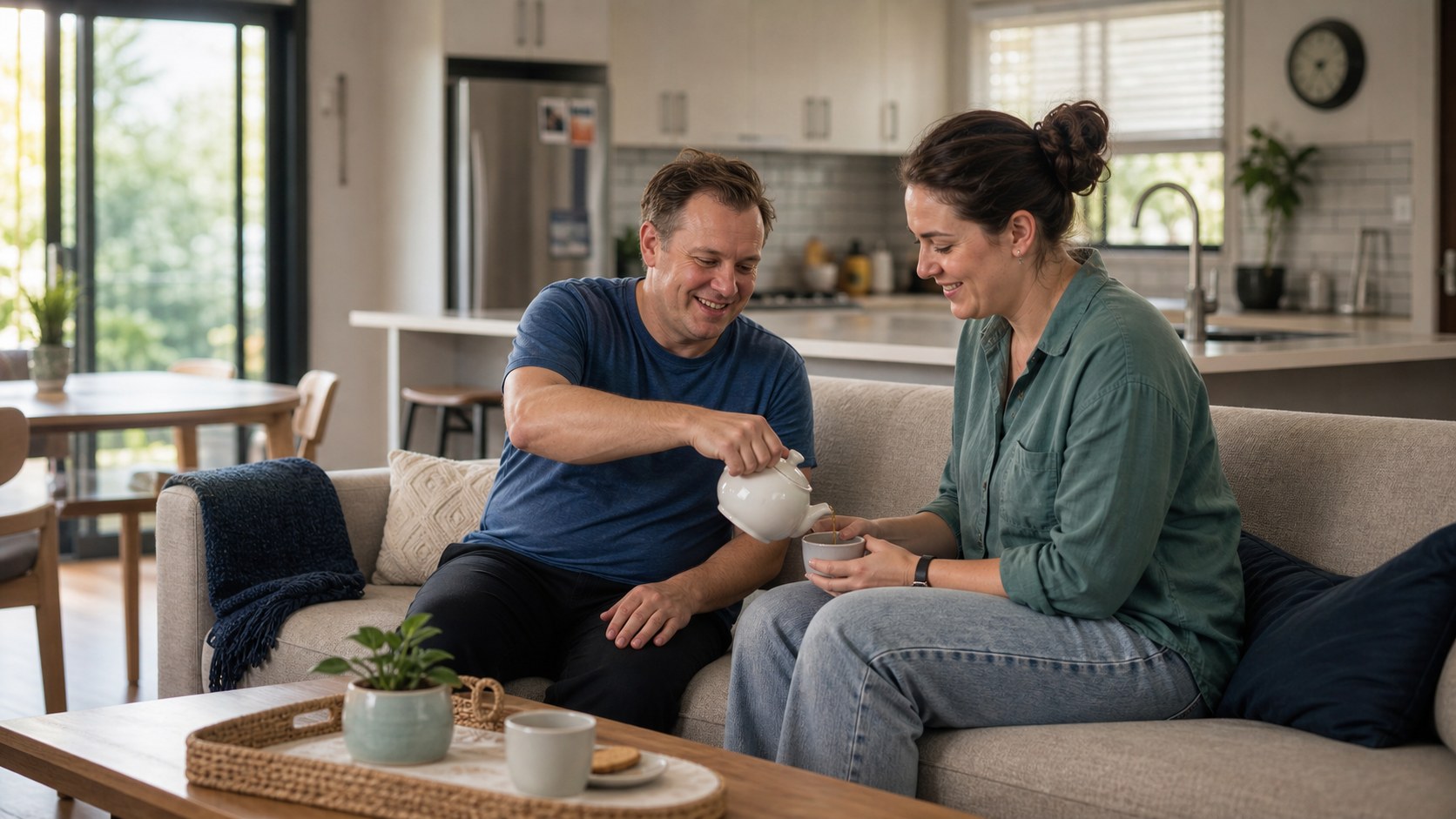
Choose the support pathway after the person’s need is clear.
What is MTA?
Medium Term Accommodation is usually a temporary option while a more permanent home or support arrangement is being organised. It is not designed to replace long-term housing planning.
MTA conversations should be clear about dates, support needs, transition planning, responsibilities and what will happen when the arrangement ends.
Choosing the right pathway
The right pathway depends on the reason support is needed. Is the person building daily living skills? Does the family need a short break? Is there a housing transition underway? Is there a risk if support is delayed?
Life Focus Care can discuss accommodation and respite enquiries through Accommodation & Respite and the referral pathway.
Questions to ask before choosing an option
Ask what the support will look like across a normal day, who will be rostered, how personal care or medication needs will be managed, and what happens if the participant becomes distressed or unwell.
For shared settings, compatibility matters. A good conversation should include routines, noise, visitors, community access, cultural preferences, meals, privacy and how concerns will be escalated.
It is also worth separating housing questions from support questions. A person may need a place to stay, daily support, overnight assistance, community access, personal care or all of these. Naming each need separately helps everyone understand what funding, provider capacity and planning work are actually required.
Put simply, the label should follow the support need, not the other way around.
Next steps
If you are planning services, reviewing an agreement or preparing a referral, Life Focus Care can talk through the details before anything begins.